

















A Comprehensive Guide to Home Loans in India: Types, Eligibility & Approval Process
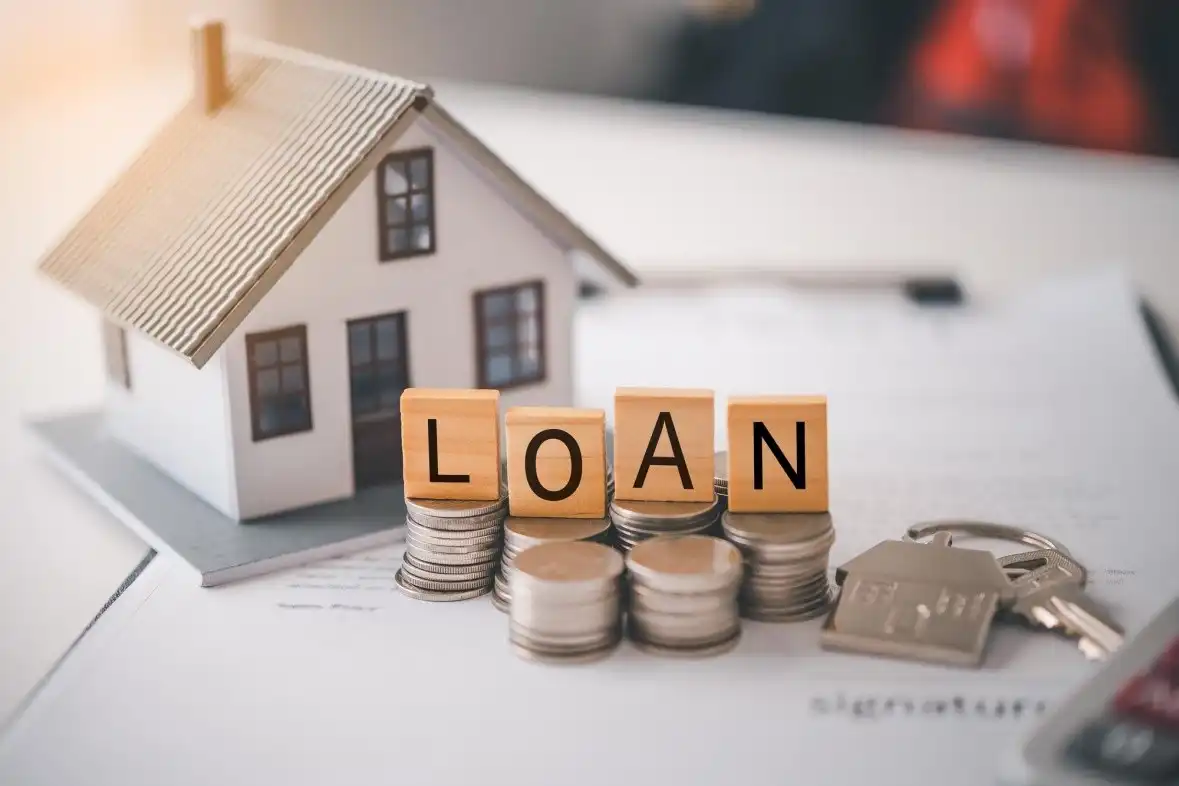
A home loan (also known as a housing loan) is a financial instrument that banks or housing finance companies lend to buyers to help them buy flat in Mumbai or other places. Although you have to repay this money in small amounts over a period of time along with interest, it still makes apartments for sale easier to purchase as you don't have to pay the complete amount upfront to the developer from your end.
Having the proper knowledge of home loans is critical, especially for first-time buyers. Read on to understand different home loan types, eligibility criteria, the loan approval process, and more.
What are the Various Types of Home Loans in India?
Depending on the purchase intent, different types of home loans are available to prospective buyers. They can make your property ownership dreams come true, whether you wish to buy a 2 BHK flat Mumbai or any other apartment. Below are the common home loan types that banks and financial institutions in India typically offer:
Home Purchase Loan
A home purchase loan is for those who want to buy either new apartments for sale or used flats put up for resale in the market. It is one of the most popular home loan types among individuals who want to buy flat in Mumbai or elsewhere.
Home Improvement/Renovation Loan
A home improvement/renovation loan is ideal for those who want to renovate or enhance their existing residence, be it a 2 BHK flat or something else. It can cover the cost of miscellaneous home improvement expenses, such as repairs, painting, kitchen remodeling, etc.
Plot/Land Purchase Loan
A plot/land purchase loan is for individuals who want to buy a land plot where they eventually plan to build a home.
Home Construction Loan
If you want to construct a new home on a piece of land that you already own, a home construction loan is your answer. Lenders disburse this loan amount in installments as per the construction progress.
Bank Transfer Loan
Borrowers who have an existing home loan from one lender can transfer the remaining loan balance to another lender if they get a better interest rate from the new one. This is called a bank transfer loan.
Home Extension Loan
Homeowners who want to expand their living space through the addition of extra rooms or the construction of a new floor can opt for a home extension loan. However, lenders will approve this loan only after reviewing the proposed construction plans and confirming the approvals of local authorities.
Top-Up Home Loan
If you need additional funds aside from your original home loan amount, you can apply for a home loan top-up. Due to this provision, you don't need to take out a separate loan for things like home repairs or personal needs.
NRI Home Loan
An NRI home loan is for Non-Resident Indians who wish to buy flat in Mumbai or other Indian cities. They may purchase luxury apartments for sale, construct a new house, or upgrade an existing residence using NRI home loans.
What are the Eligibility Criteria for a Home Loan?
While the eligibility criteria for home loan applicants may vary from one bank/lender to another, below are some key common factors that they look at:
Age
A home loan applicant in India should be between 21 and 65 years of age.
Employment Type
An applicant must be a salaried employee, a business owner, or a self-employed individual with a steady, reliable income source to be eligible for a home loan.
Income
Lenders determine an applicant's loan repayment capacity as well as the loan amount to disburse based on the individual's income.
Credit Score
An applicant's credit score indicates their creditworthiness (ability to repay borrowed money on time). It is a three-digit number that lenders look at to check your loan repayment history. You need a good credit score, ideally above 750, to secure a home loan at attractive interest rates in India.
What Documents Do You Require for a Home Loan Application?
Below is a list of documents that applicants must submit to the bank/lender if they seek a home loan to buy flat in Mumbai or other locations:
Identity Proof
Valid government-issued identity proofs include Aadhaar card, Voter ID card, Passport, PAN card, driving license, etc.
Address Proof
Utility bills (e.g. electricity/gas/water bills, etc.), rental agreements, or government-issued documents (e.g. Aadhaar card, passport, Voter ID card, etc.)
Employment Proof
Getting an appointment letter or employment certificate from employers is essential for applicants who are salaried employees.
Income Proof
Salaried individuals must submit their salary slips for the last 3-6 months, Form no. 16, and Income Tax Returns (ITR) of the last 2-3 years as income proof for a home loan application.
Self-employed individuals must submit their business financials (Profit & Loss statements and balance sheets), business registration documents, and ITR of the last 2-3 years.
Bank Statements
Lenders require applicants to share their bank statements of the past 6-12 months to evaluate their savings and spending habits.
Property-Related Documents
Home loan applicants must furnish legal documents (e.g. sale deed, title deed, land agreement, property tax receipts, No Objection Certificate or NOC from builder/society, etc.) that are related to the property purchase.
Loan Application Form
The lender shall provide applicants with a loan application form that they must duly fill out and submit.
Photographs
Lenders may ask for your recent passport-size photos before processing your home loan application.
Guarantor Documents
In the event of a guarantor's involvement, the lender will also ask for their identity proof, address proof, and financial documents.
NRI Documents
NRI home loan applicants must provide a valid proof of their NRI status, bank statements, and overseas employment details.
What Does the Home Loan Approval Process Look Like?
After an eligible individual fills out the home loan application form and submits it along with all the required documents to the bank/lender, this is what happens next:
Thorough Evaluation
Before processing your home loan application, the bank/lender will check your documents, financial status, credit score, and property details. They will also assess the value of the property you plan to buy, such as a 2 BHK flat Mumbai or another apartment, and confirm its legal status. If satisfied on all fronts, they will approve your application.
Loan Approval & Disbursal
Once the bank/lender processes and approves your home loan application, they will extend a loan offer letter to you. This letter will specify details like the loan amount, interest rate, repayment tenure, etc. They will disburse the loan to the builder/seller after sending the loan offer letter to the applicant and completing other legal formalities.
Conclusion
Home loans can help you accomplish your homebuying goals with ease, while also providing tax benefits and other advantages. Stay tuned to K Raheja's blog section for more such informative articles related to real estate.
If you want to buy a ready-to-move 1BHK flat, 2 BHK flat, 3 or 3.5 BHK flat, or 4BHK flat, K Raheja Realty offers the finest apartments for sale across its premium residential projects in Mumbai. Contact K Raheja's sales office now to enquire!
Disclaimer
The content of this blog is based on information available to the public for general use, and any references/sources if mentioned. While we take care to refer to reliable sources as far as possible, we do not claim any responsibility for the accuracy of the given information whatsoever. The article is to be used for general informational purposes only. Please note that it neither constitutes legal advice nor does it intend to. If any individual(s) take/s any decision based on the information in this article without verifying the genuineness of the facts, we expressly disown/disclaim any potential liability that may result due to the same. We encourage readers to get guidance separately pertaining to any specific information given herein.
Construction House 'B', 2nd Floor
Opp. Khar Telephone Exchange
623, Linking Road, Khar (West)
Mumbai - 400052
 19°4'2.5032"N 72°50'0.0204"E
sales@krahejarealty.com +91 9324789055 | +91 9321035598 | +91 22 61313131 |
